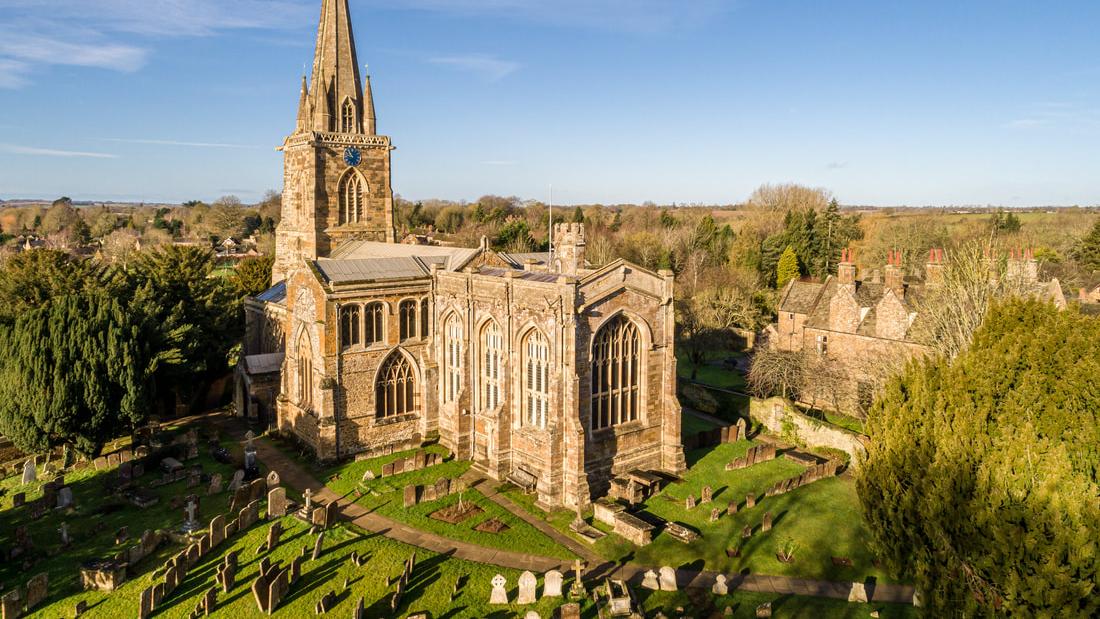
A Masterpiece of Gothic Design
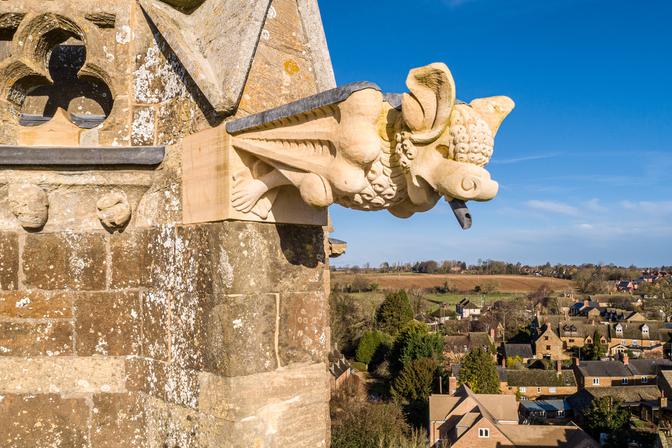
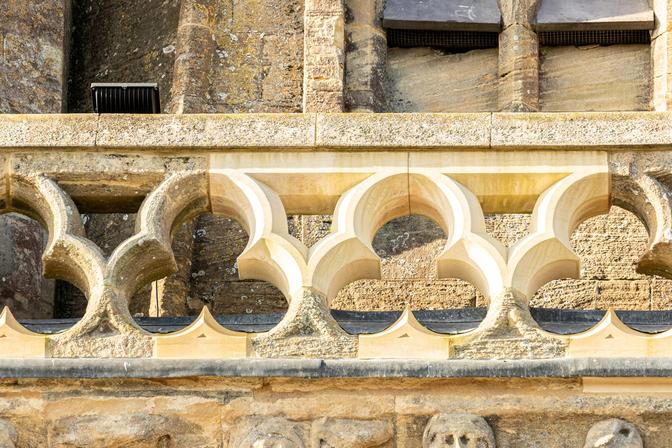
St Mary the Virgin Church is widely considered one of the finest examples of ecclesiastical architecture in the county. Built from the local honey-hued ironstone, the church features a 14th-century spire that reaches 160 feet into the sky. The building’s exterior is particularly famous for its lively cornices, which feature a series of carvings depicting medieval musicians playing instruments like the bagpipes, rebec, and lute.
These carvings offer a rare glimpse into the secular life of the Middle Ages, suggesting that the stonemasons who worked here had a deep connection to the musical traditions of the region. This heritage continues today through the village's long-standing association with Morris Dancing.

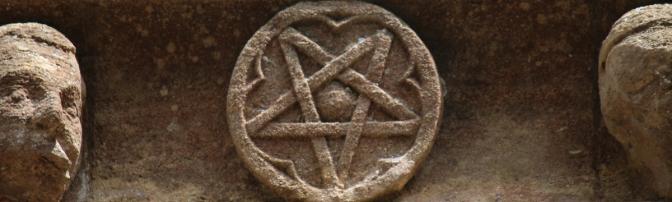
The Pentagram at Adderbury Church
One of the most intriguing features of the church is a mysterious pentagram carved into the stone of the North Porch. This ancient symbol, often associated with protection or the "five wounds of Christ" in a medieval Christian context, has sparked much local debate and curiosity.
The carving is a reminder of the layered history found in parish churches, where folk symbols and orthodox religious art often sit side by side. For visitors and researchers of local lore, the pentagram adds an element of mystery to the already rich architectural tapestry of the building.
Interior Splendour and Restoration
The interior of the church is equally impressive, with a wide nave and a beautifully carved 15th-century rood screen. Much of the chancel was restored in the 19th century by the celebrated architect Sir George Gilbert Scott, who aimed to preserve the medieval integrity of the space while ensuring its survival for future generations.
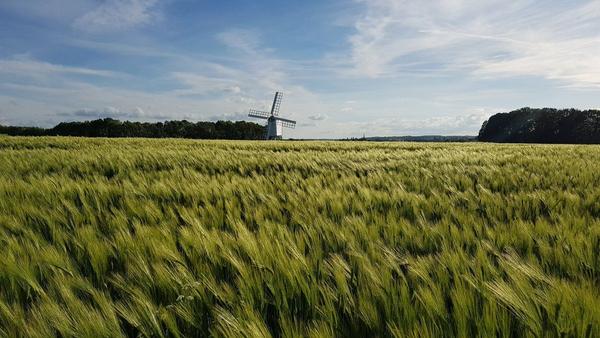
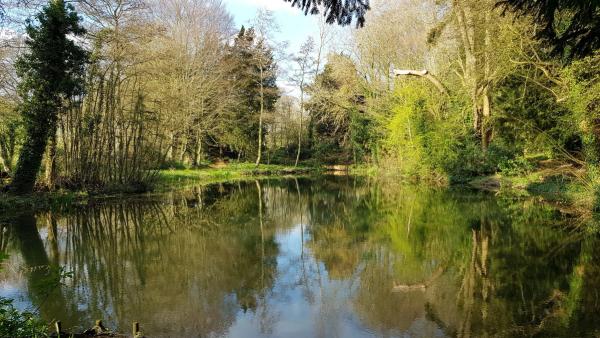
The churchyard itself is a peaceful space that offers excellent views of the surrounding countryside. It serves as a natural starting point for many walks that lead down toward the Sor Brook or across the fields to the neighbouring village of Bloxham.