Kineton the Historic Heart of the Vale
Discover the rich heritage, vibrant community, and stunning landscapes of Banburyshire’s most storied village.

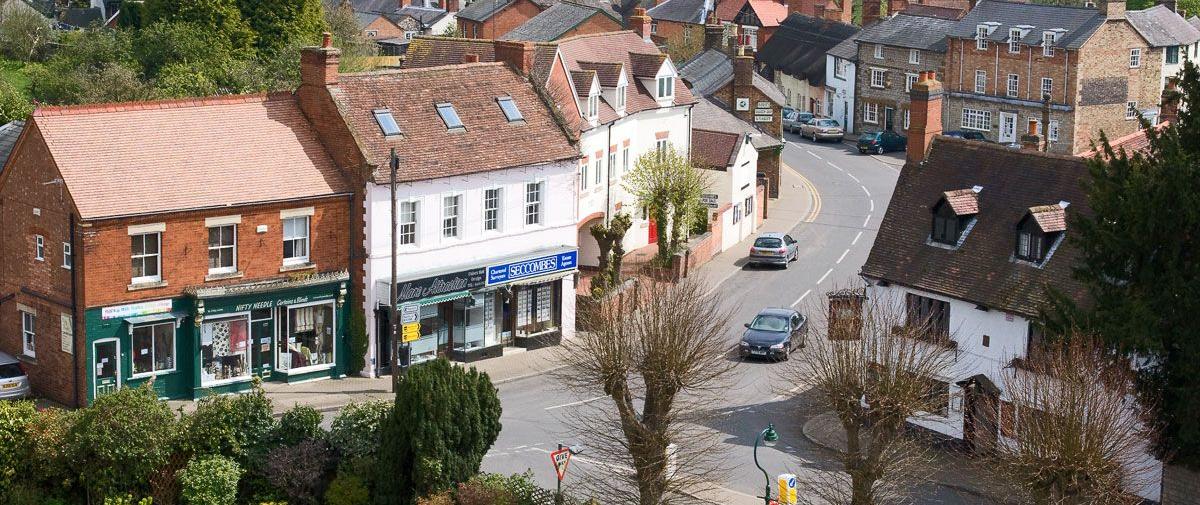
Welcome to Kineton
Located approximately 10 miles northwest of Banbury, Kineton is far more than just a quiet rural settlement. It is an ancient administrative hub that has served the surrounding area for over a thousand years. Historically the head of the Kineton Hundred, the village sits in the picturesque Vale of the Red Horse. This area earned its name from a massive hill-figure once carved into the local red clay soil, a landmark that defined the horizon for centuries.
Today, Kineton strikes a perfect balance between its storied past and a thriving modern community. It serves as a vital link for residents across the Warwickshire-Oxfordshire border, offering a self-sufficient village lifestyle with deep roots in the English countryside. For those looking for the "Banburyshire" experience, Kineton offers the ideal mix of rolling hills and a busy, working village center.
A Legacy of Kings and Conflict
The history of Kineton is a tapestry of royal patronage and bloody rebellion. The village first appears in a Saxon Charter from AD 969 as Cynton. By the time the Domesday Book was compiled in 1086, it was known as Kington, a name reflecting its status as a royal manor.
On the outskirts of the village lie the earthworks of King John’s Castle. While the site today consists of grassy mounds, it was once a significant motte-and-bailey fortress. Local legend suggests King John held a "Court Leet" here in the early 13th century, and the site remains a protected monument of national importance, serving as a silent reminder of the village's medieval weight.
However, Kineton is most famously synonymous with the Battle of Edgehill in 1642. This was the first major engagement of the English Civil War. While the heaviest fighting occurred on the plain between Kineton and the Edgehill escarpment, the village served as the primary base for the Parliamentarian forces. During the height of the battle, Prince Rupert’s Royalist cavalry broke through the lines and rampaged into Kineton to loot the enemy's baggage train. Many historians believe this tactical detour cost King Charles I a decisive victory that could have changed the course of British history.
Local Lore To this day, the area is reputed to be haunted. Shortly after the battle, villagers reported seeing "phantom armies" fighting in the sky, a phenomenon so widely witnessed that King Charles I sent a Royal Commission to investigate the sightings.
Village Amenities and Modern Life
Despite its historic gravity, Kineton is a bustling and highly functional village. It is one of the few settlements of its size in the region to maintain a full range of independent shops and services. This makes it a central hub for smaller surrounding hamlets like Little Kineton, Butlers Marston, and Combrook.
Residents benefit from a high level of self-sufficiency that is rare in modern rural life. The village high street features a traditional butcher, an artisan bakery, a flower shop, and a Co-op for daily essentials. The social scene is equally robust, centered around The Swan and The Carpenters Arms, both of which offer a warm welcome to locals and visitors alike. For those seeking international flavors, Shukur’s Brasserie provides highly-regarded Indian and Bangladeshi cuisine that draws diners from across Banburyshire.
Education is a primary draw for families moving to the area. Kineton is home to both a primary school and the highly-regarded Kineton High School. The secondary school serves a massive catchment area, bringing together students from various villages across the Warwickshire and Oxfordshire borders.
The Military Connection
No profile of Kineton is complete without mentioning DM Kineton (Defence Munitions). Established in 1942, this massive Ministry of Defence site is one of the largest ammunition depots in Western Europe. Its presence has shaped the local landscape and economy for over eighty years.
One of the most striking features of the facility is its extensive private railway line. This infrastructure is often used to store surplus rolling stock for the national rail network. Passers-by are often treated to the sight of dozens of out-of-service trains lined up along the tracks, creating a unique visual contrast against the green fields of the Vale.