A Victorian Tribute to a Medieval Legend
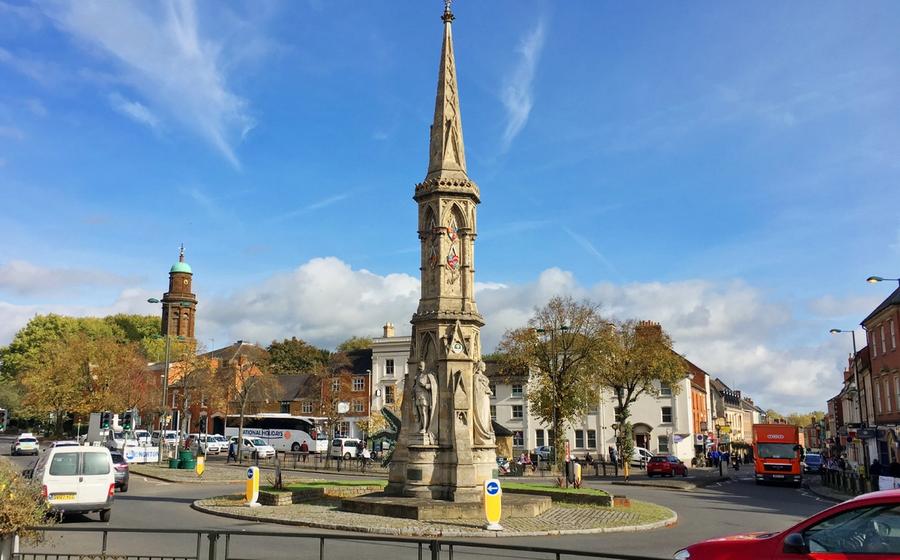
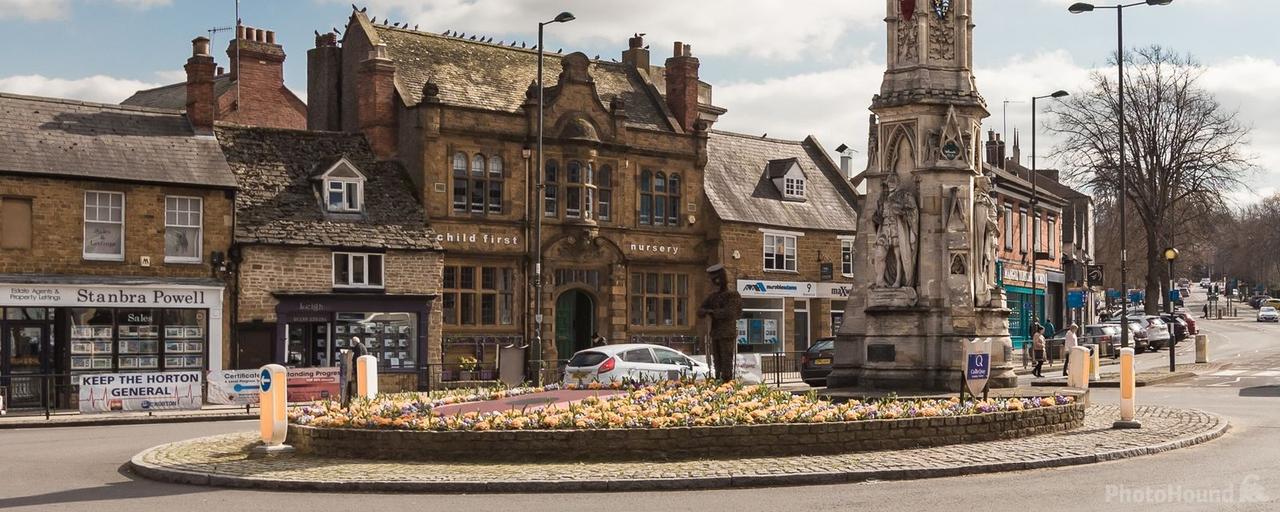
The current iteration of the Banbury Cross is a magnificent Gothic Revival monument that stands at the busy intersection of High Street, Horse Fair, and South Bar Street. Erected in 1859, the monument was built to commemorate the marriage of Victoria, the Princess Royal, to Prince Frederick William of Prussia. While it is a 19th century construction, it stands as a replacement for the original medieval crosses that were destroyed by Puritans in the early 1600s. The structure is built from local stone and features intricate carvings and heraldic shields that represent the history of the town and its connection to the British monarchy. It remains the most photographed site in the region, serving as a constant reminder of the town’s ability to rebuild and celebrate its long standing heritage.
The monument is perhaps most famous for its association with the English nursery rhyme, "Ride a cock horse to Banbury Cross." This connection has granted the cross a level of global recognition that far exceeds its physical scale, drawing visitors from around the world who wish to see the site mentioned in the classic verse. The rhyme itself is deeply embedded in the cultural identity of the area, often associated with a "Fine Lady upon a white horse," a figure that has been interpreted as various historical or mythical women. This folklore was further solidified in the 21st century with the installation of a large bronze statue of the Fine Lady nearby, creating a cohesive narrative for tourism and local pride. Despite being situated in the middle of a modern traffic junction, the cross maintains a sense of dignity and historical weight, acting as the psychological heart of the town centre and the point from which all distances to Banbury are measured.
Cultural Significance and Local Identity
The history of the Banbury Cross is inextricably linked to the town's religious and political evolution. In the medieval period, the town boasted several crosses, including the High Cross, the White Cross, and the Market Cross. These were more than just landmarks; they were central to daily life, serving as meeting points for trade and public proclamations. The destruction of these original structures in 1600 by the town's Puritan leaders became a defining moment in local history, symbolising the radical religious shifts of the era. The 1859 reconstruction was therefore seen as a restoration of the town's historical continuity, blending Victorian civic pride with a nod to the ancient past. The statues of Queen Victoria, King Edward VII, and King George V, which were added to the niches in 1911 to mark a coronation, further ground the monument in the national story of the United Kingdom.
Beyond its stone and mortar, the cross lives on through the "Banbury Cake" and other local traditions that have carried the town’s name across the globe. It serves as an orientation mark for anyone navigating the historic streets and is the primary symbol used by local businesses, sports teams, and civic organisations. Culturally, the landmark represents a bridge between the agrarian past of North Oxfordshire and its modern role as a bustling market town. The presence of the cross ensures that the legend of the nursery rhyme remains a living part of the town’s atmosphere, influencing everything from local festivals to school curricula. It is a site where history and folklore intersect, ensuring that the identity of the town remains distinct and celebrated in an increasingly uniform world.